Packwood Technology logo

Product Introduction

Rip-Stop Belt
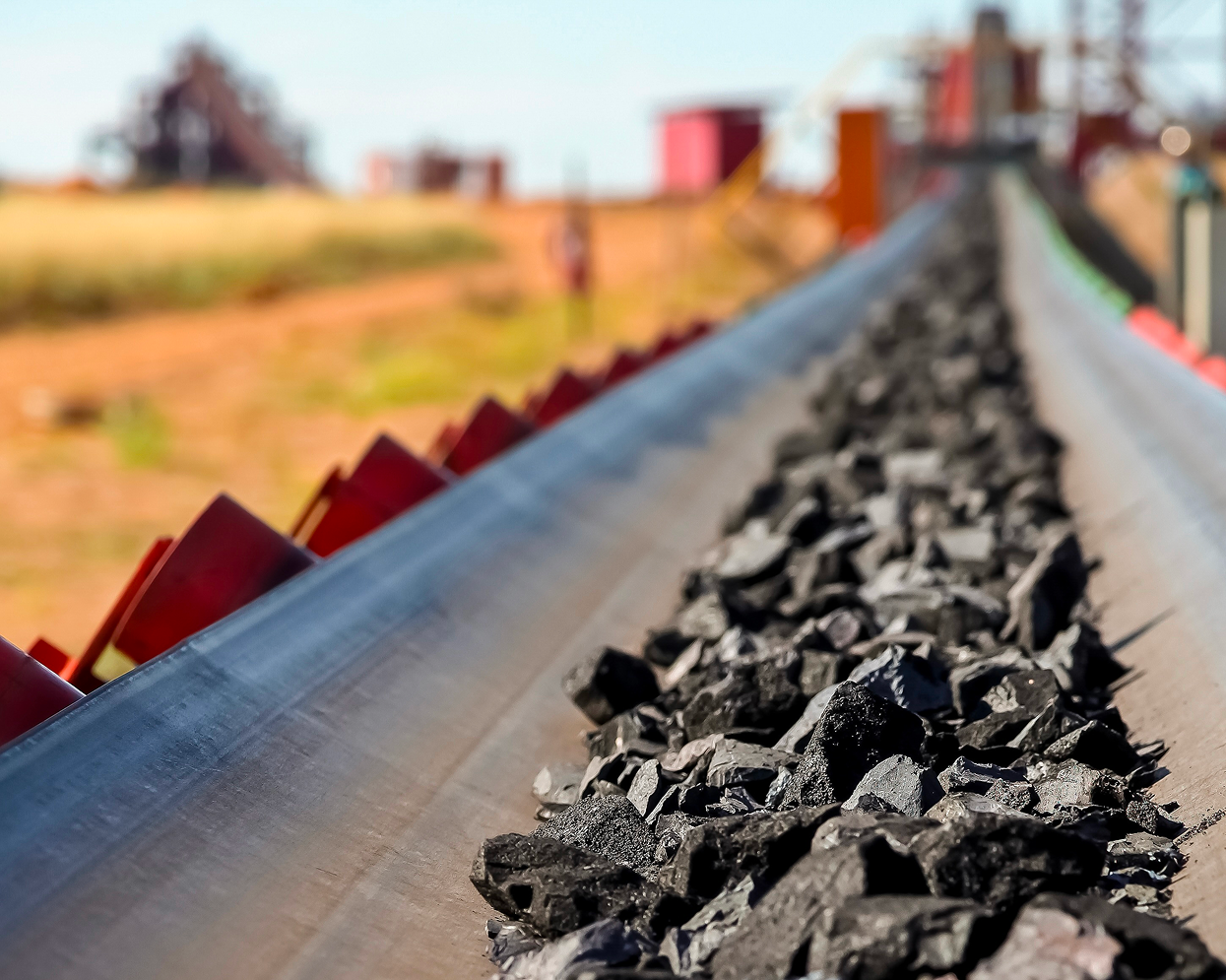
Rip-Stop belt mine

In harsh material handling environments such as recycling, mining, and aggregate handling, sharp materials (such as rebar and concrete) can damage conveyor belts. Heavy-duty conveyor belts were developed to address this issue.

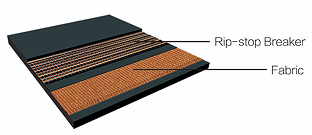
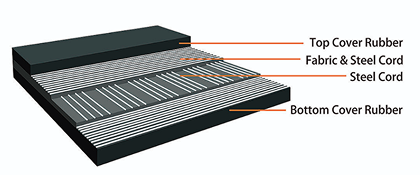
Featuring a carcass (layers) reinforced with steel wire or high-strength synthetic fibers to prevent longitudinal tears and punctures.

This enhances the belt's cut and tear resistance, extends its service life, and provides superior protection compared to standard belts. Its rip-stop mesh disperses impact energy and provides excellent fastener holding. Compared to some other belt types, steel breaker layers can provide a better troughing, preventing material spillage and increasing transport capacity.
Application example

Common Applications

Rip-stop structure diagram
Recycling Plants:Processing glass, metal, and other sharp waste.
Construction & Demolition (C&D) Waste:Handling materials like rebar and concrete.
Mining & Aggregates:Quarries, cement plants, and heavy crushing operations.
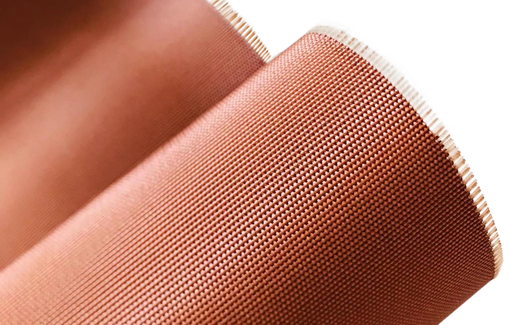
Rip-stop belt roll
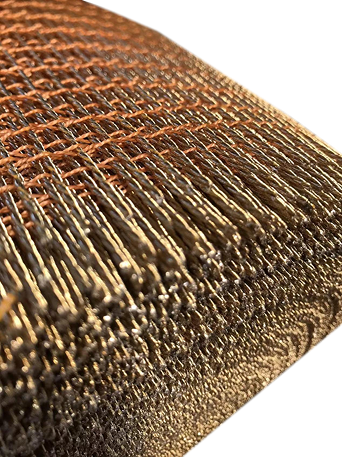
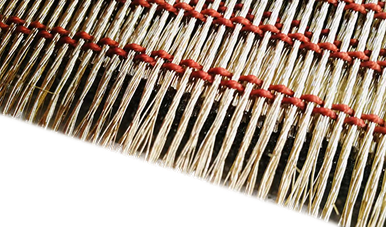
Internal mesh detail

Benefits

Mesh reinforcement
Reduced Downtime: Continuous, safe, and stable production is a top priority for manufacturing companies. Rip-stop conveyor belts maximize the safe and efficient continuous operation of the conveyor system, minimizing losses from downtime.
Lower Lifetime Cost: Although the initial purchase cost is slightly higher than standard conveyor belts, the longer service life typically results in lower overall expense.
Versatile Applications: PACKWOOD offers a variety of rubber cover qualities (such as heat-resistant/oil-resistant) to meet diverse needs.